


Ottakring Clinic
2024
2024
Montleartstraße 37, 1160 Vienna
Competition 3rd prize, 2024
with wörner traxler richter planungsgesellschaft mbh & MINTplus ZT GmbH
Awarded by: City of Vienna – Wiener Gesundheitsverband
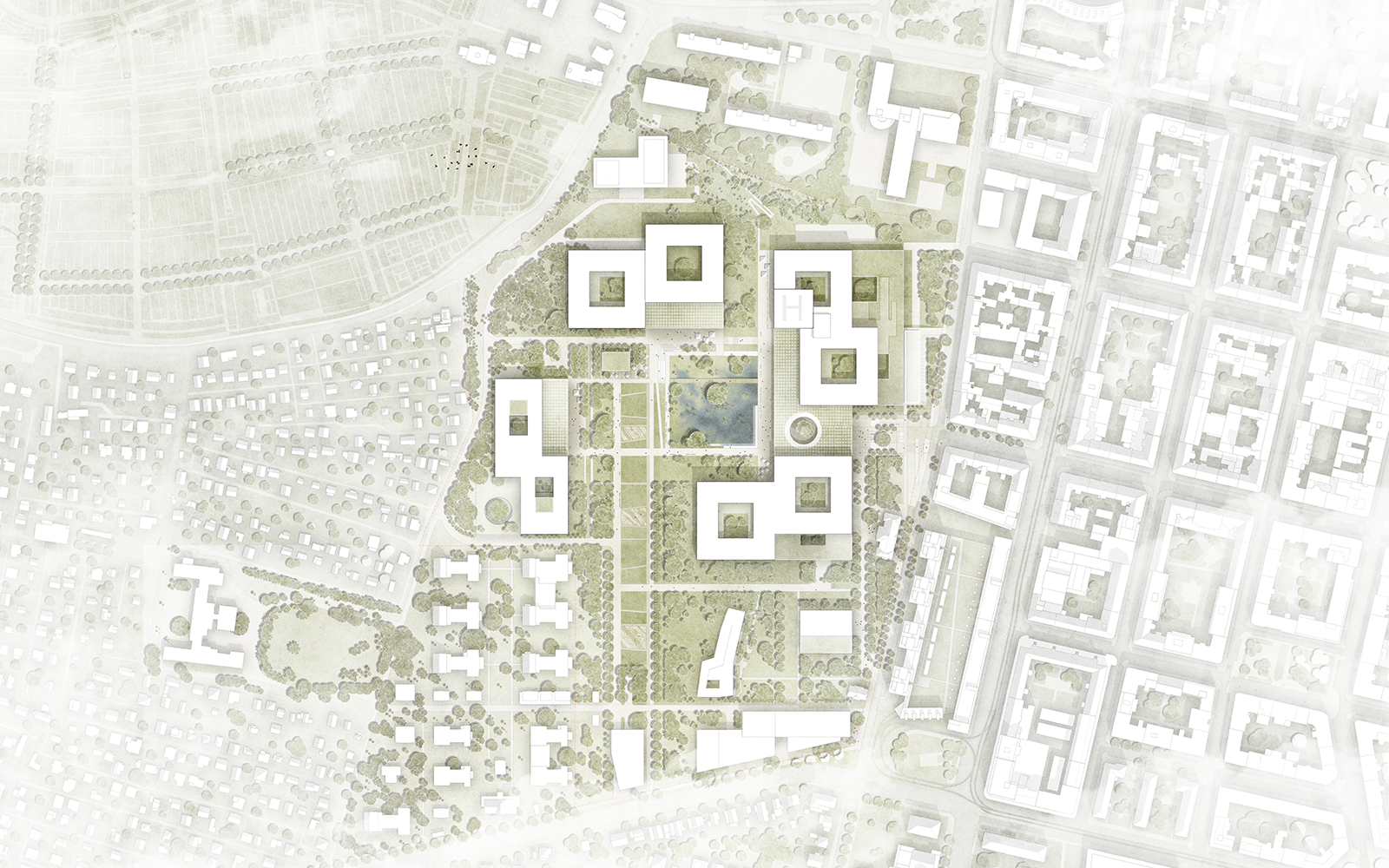
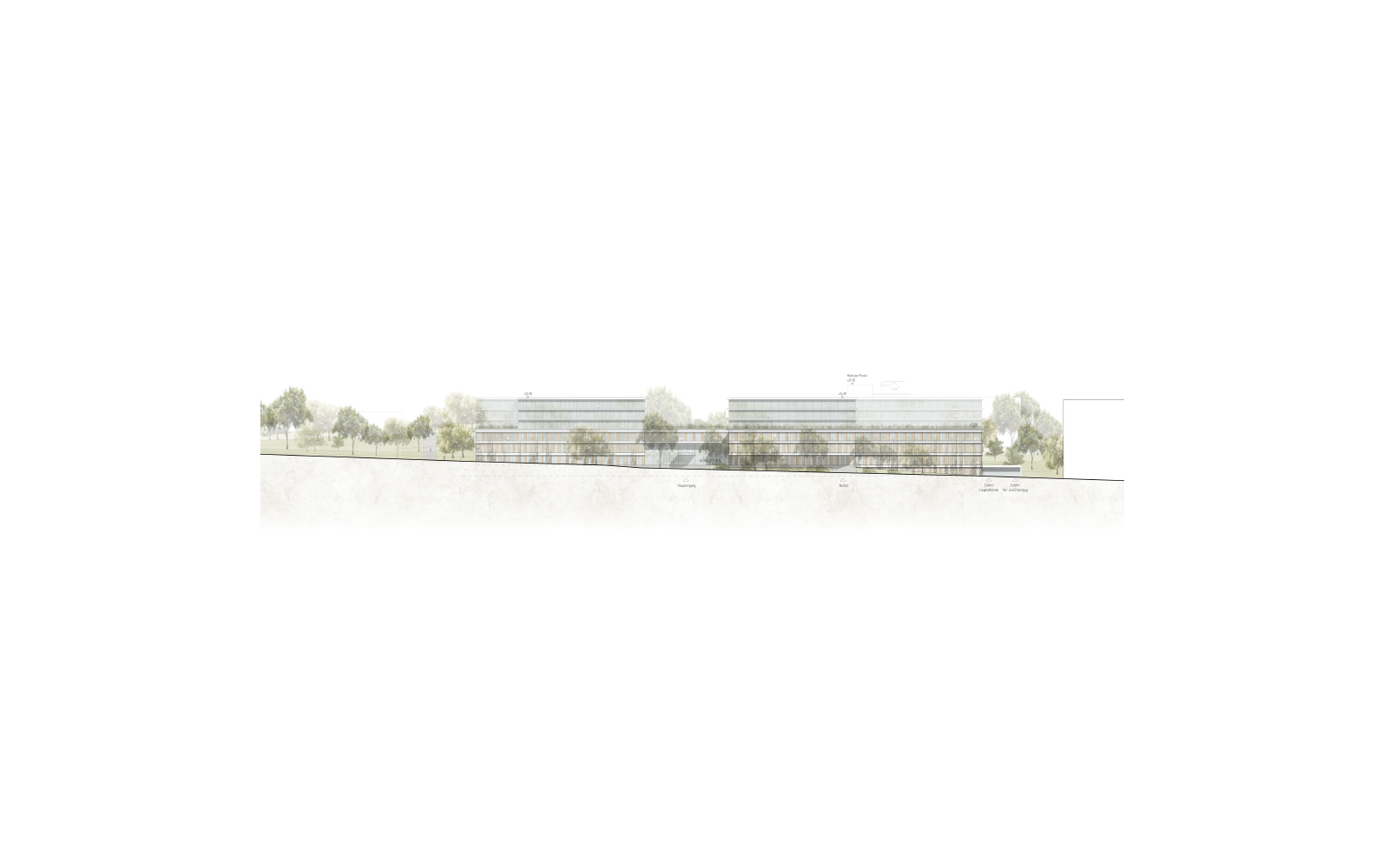
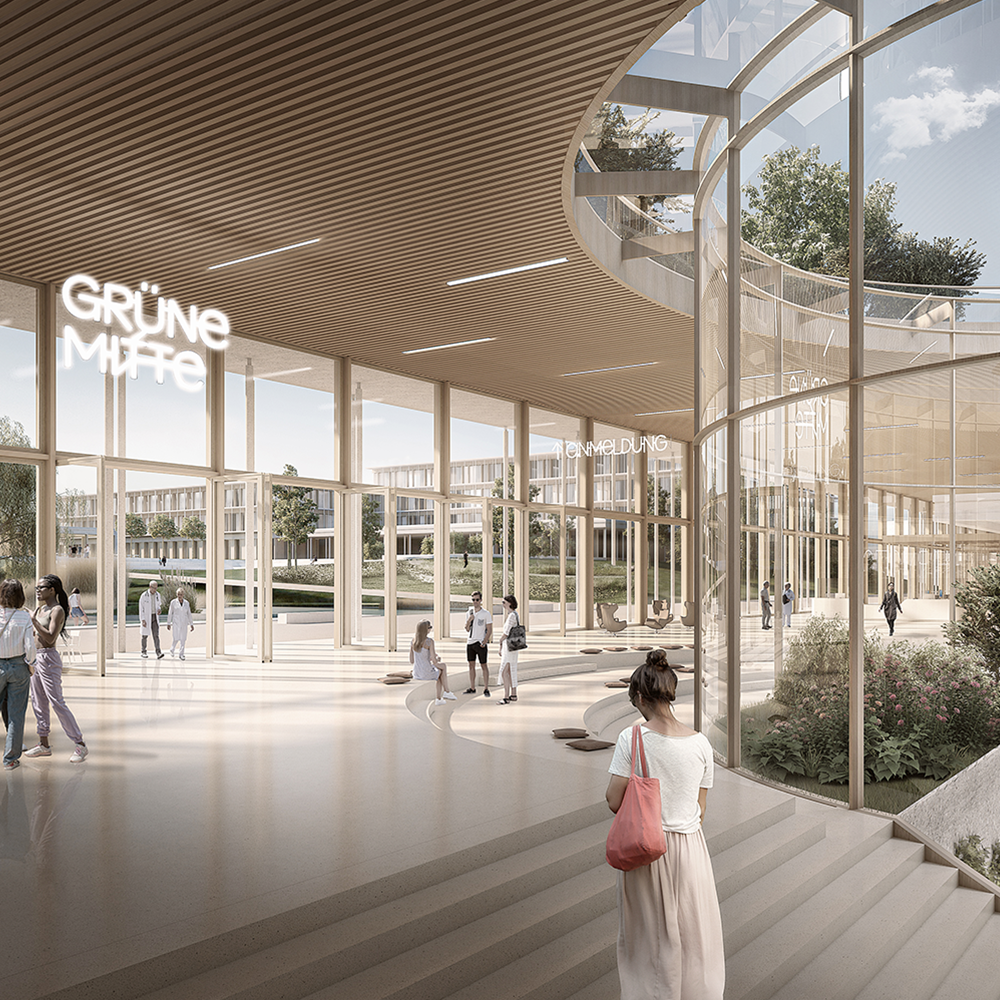
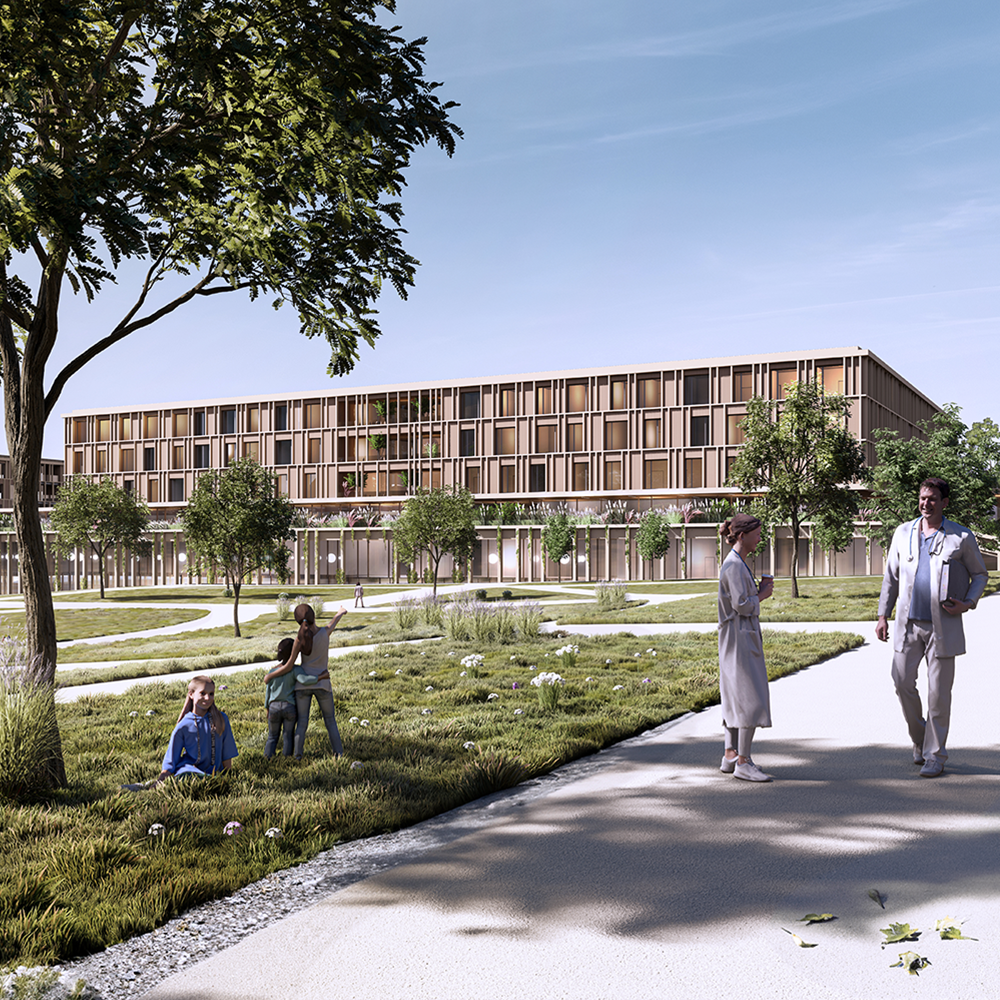
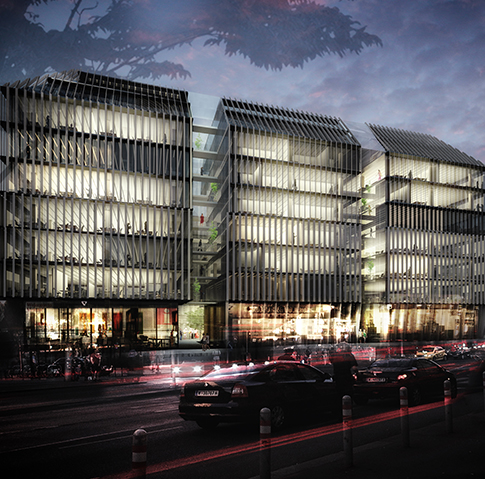
The project for the new clinic campus establishes a connection between the dense urban fabric of Vienna's 16th district and the green expanses of the Wienerwald. The design transforms the traditional perimeter block typology of Ottakring into a loosened pavilion structure, carefully attuned to the listed existing buildings, and shaped to serve as a restorative landscape for patients and the public alike.
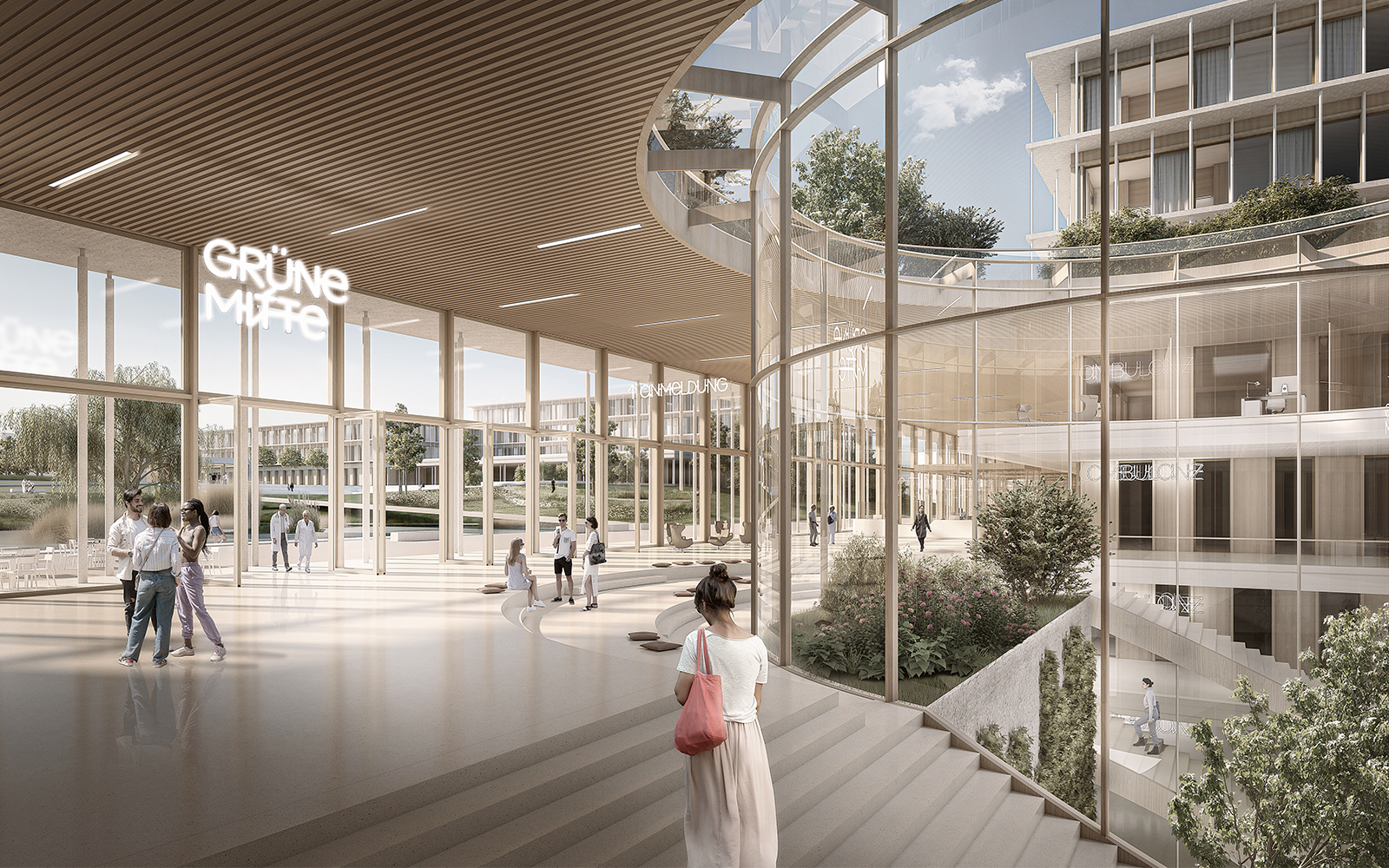
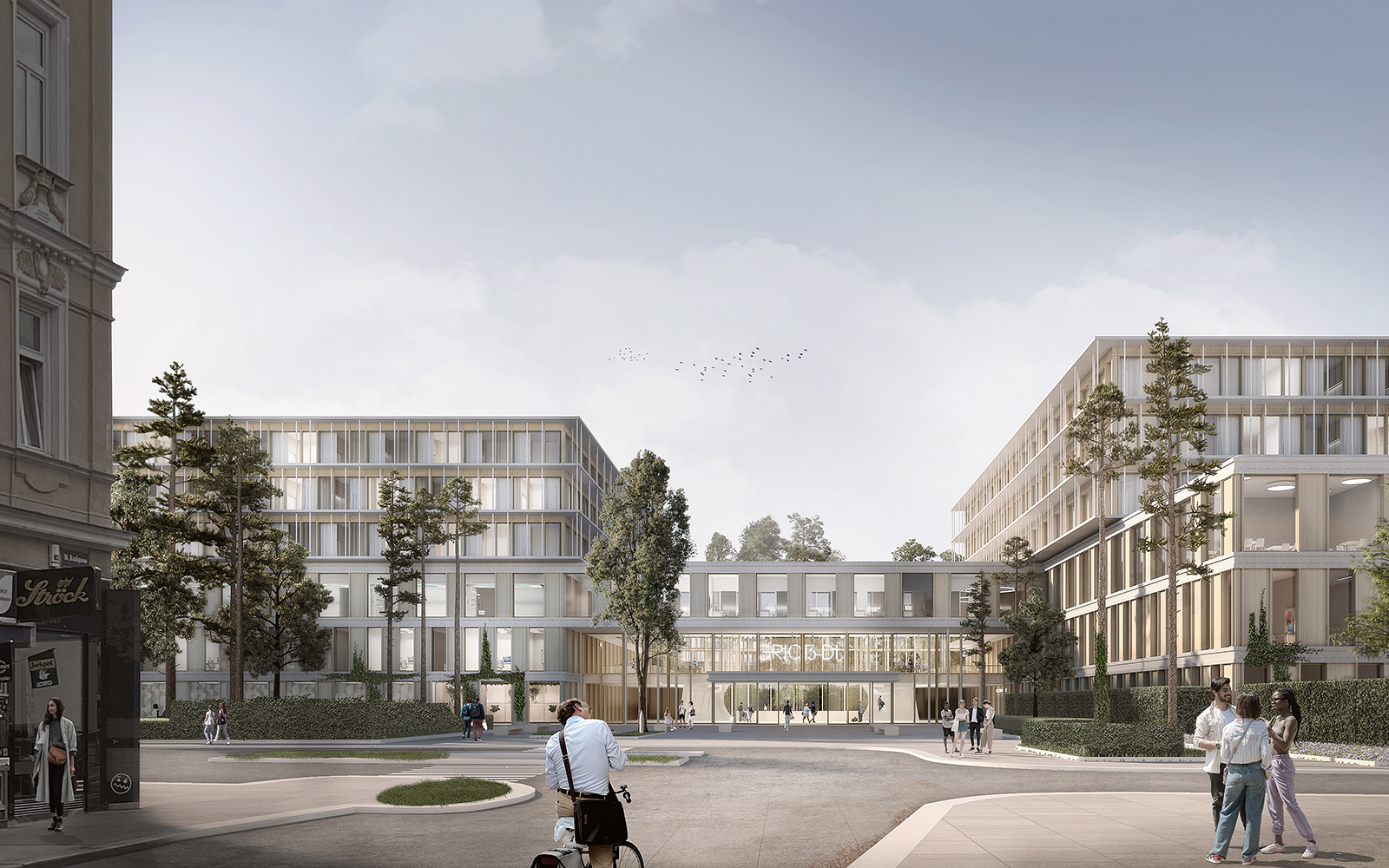
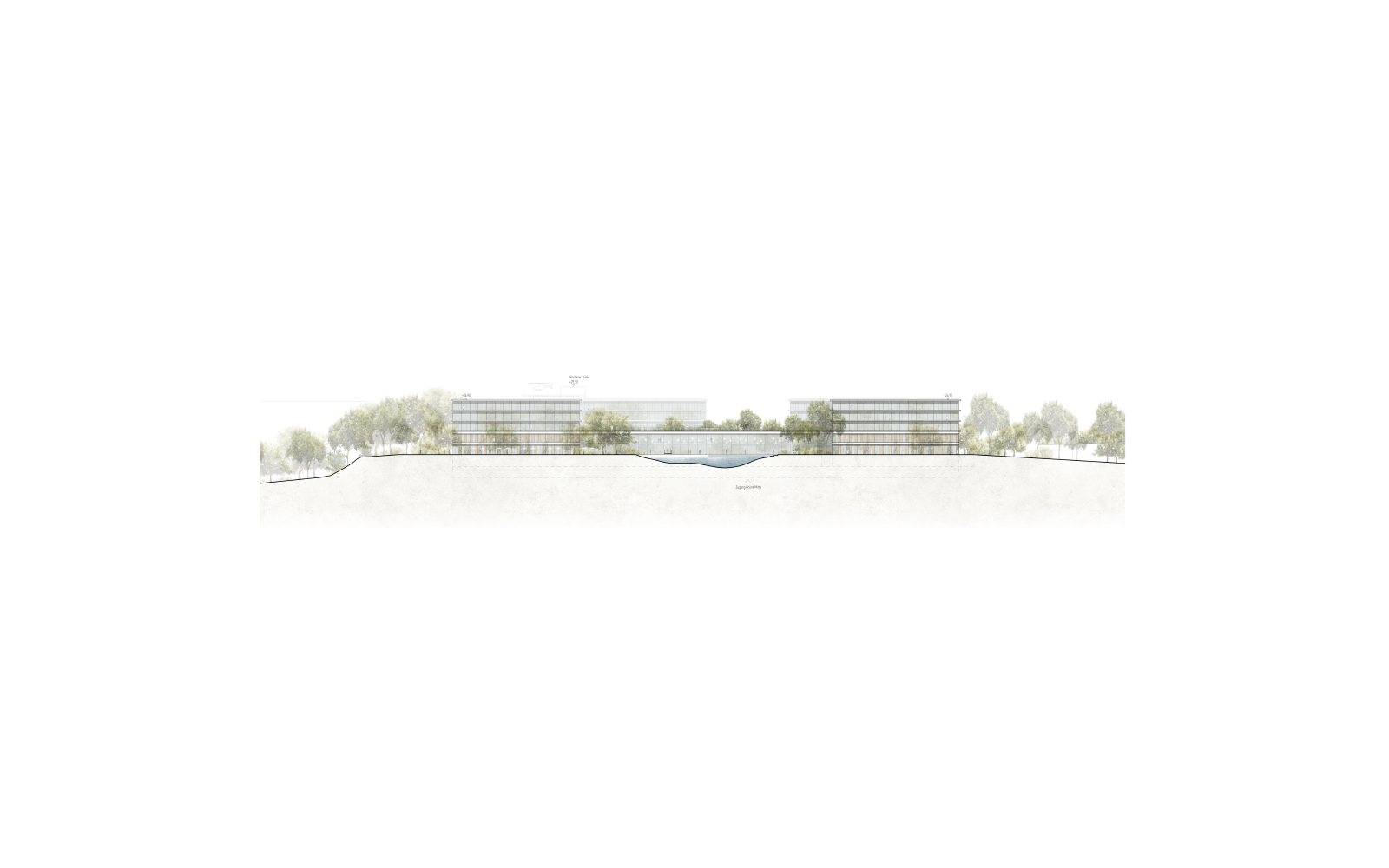
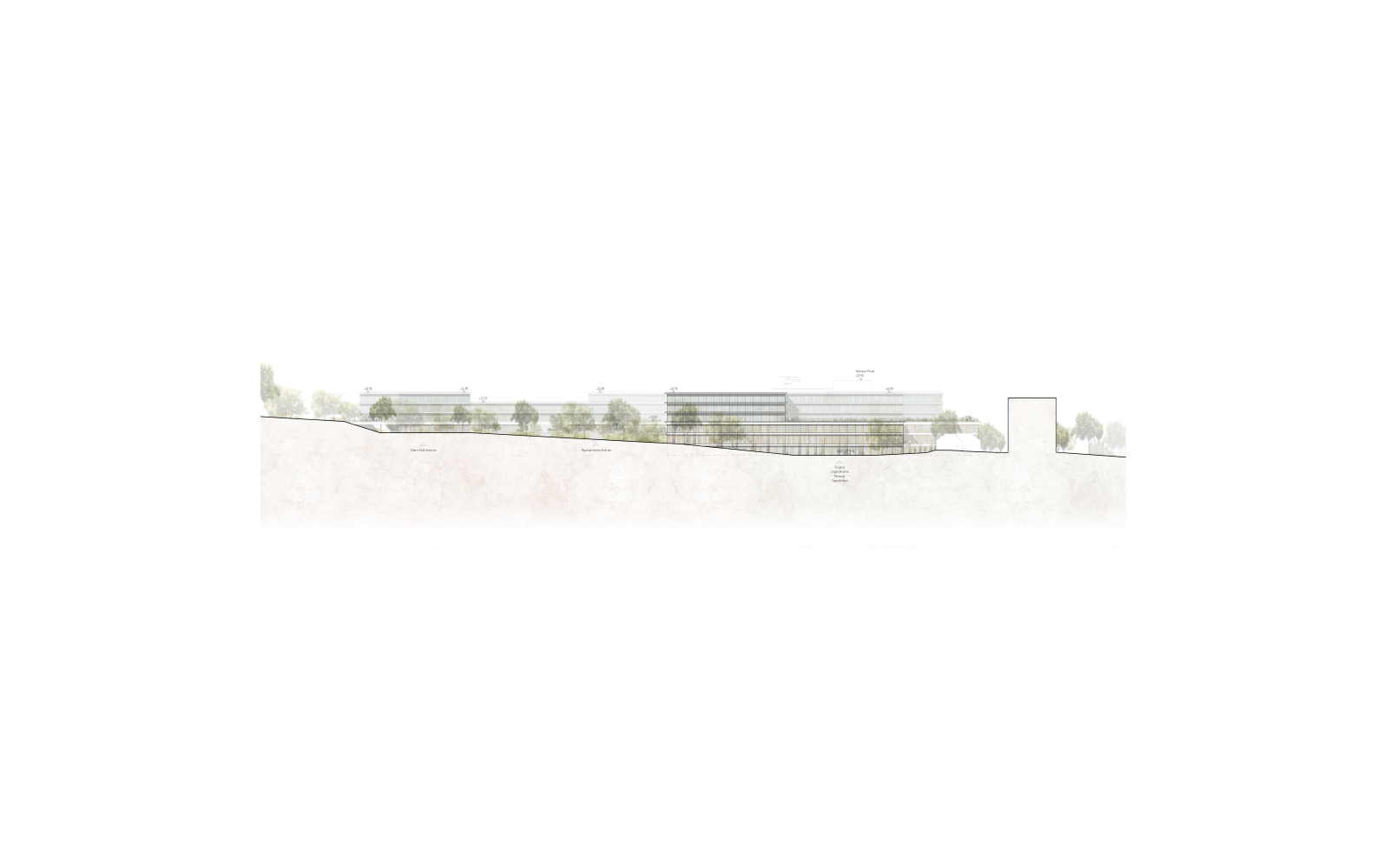
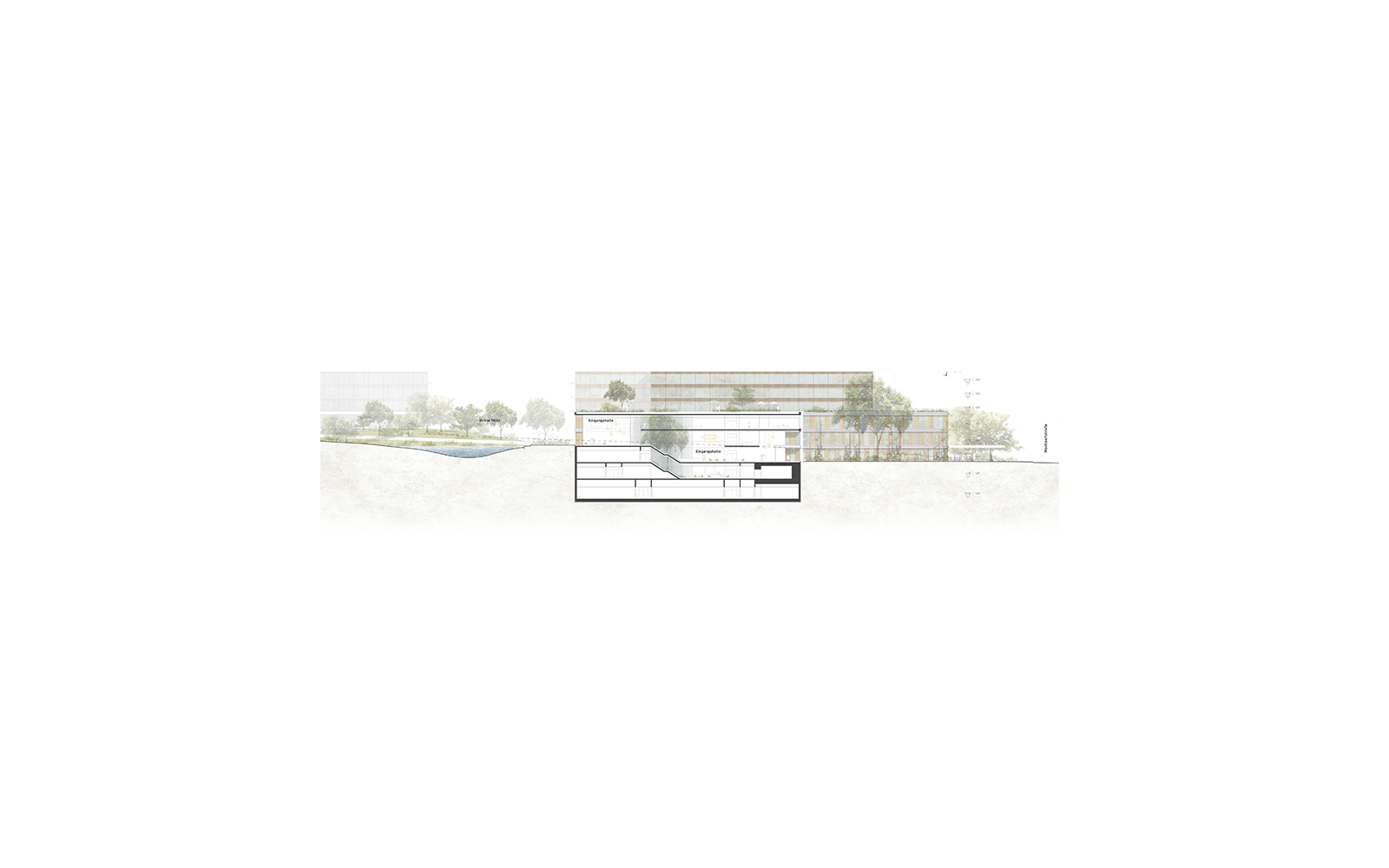
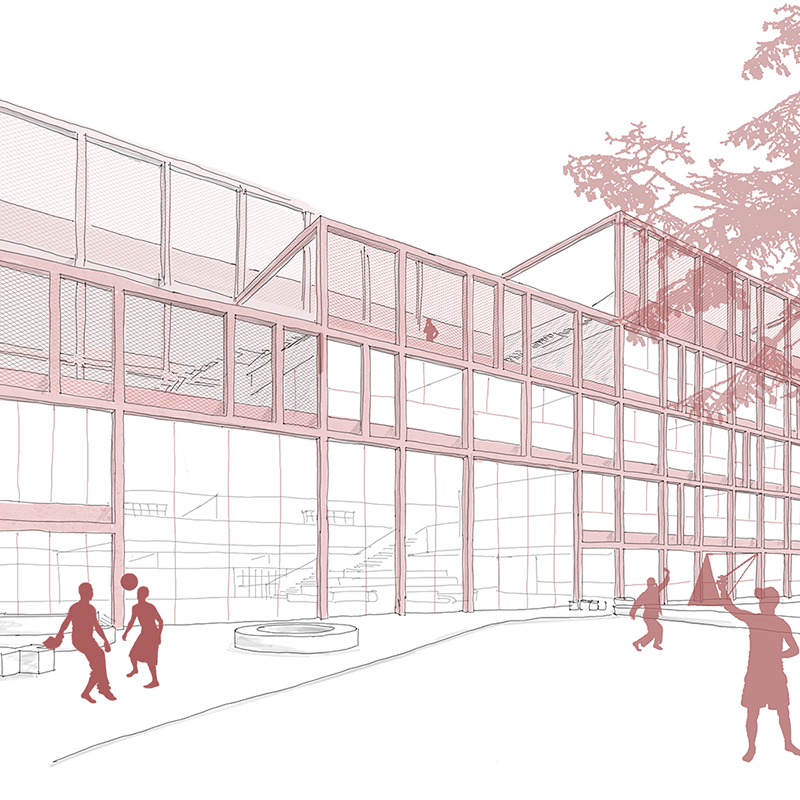
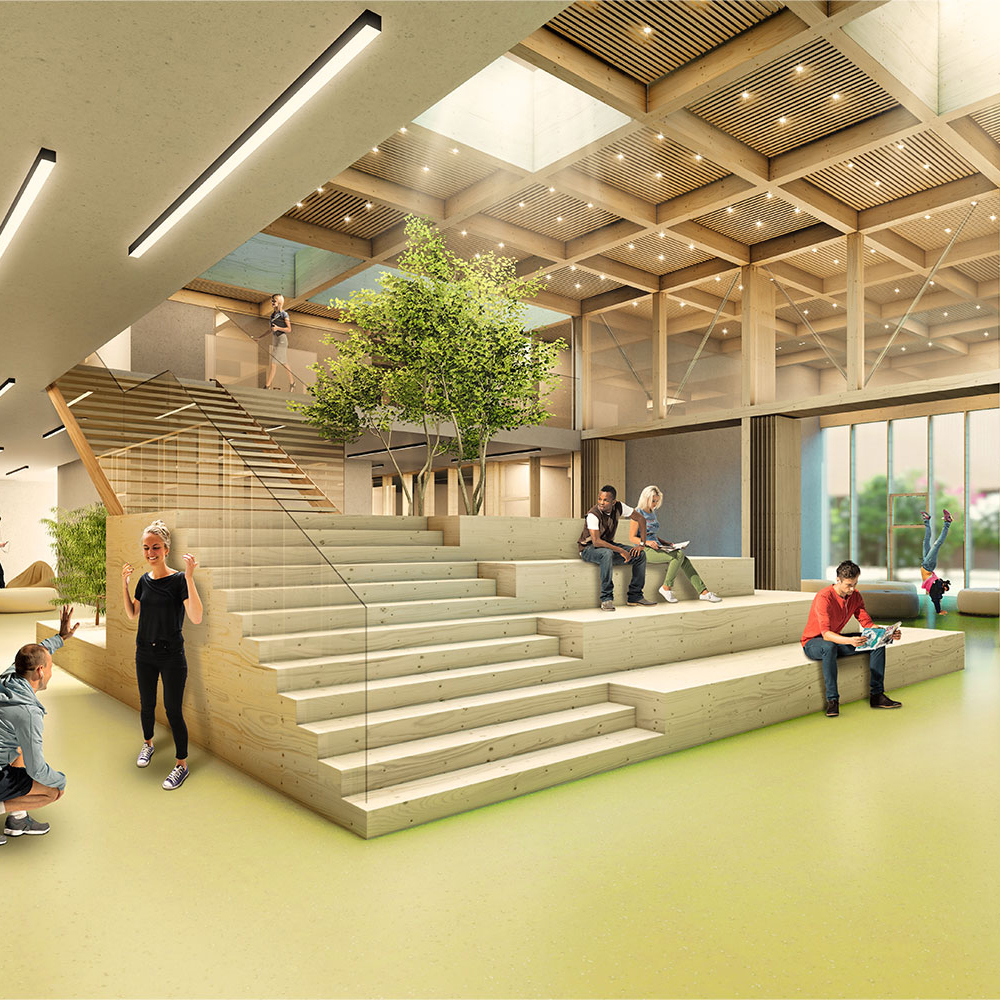
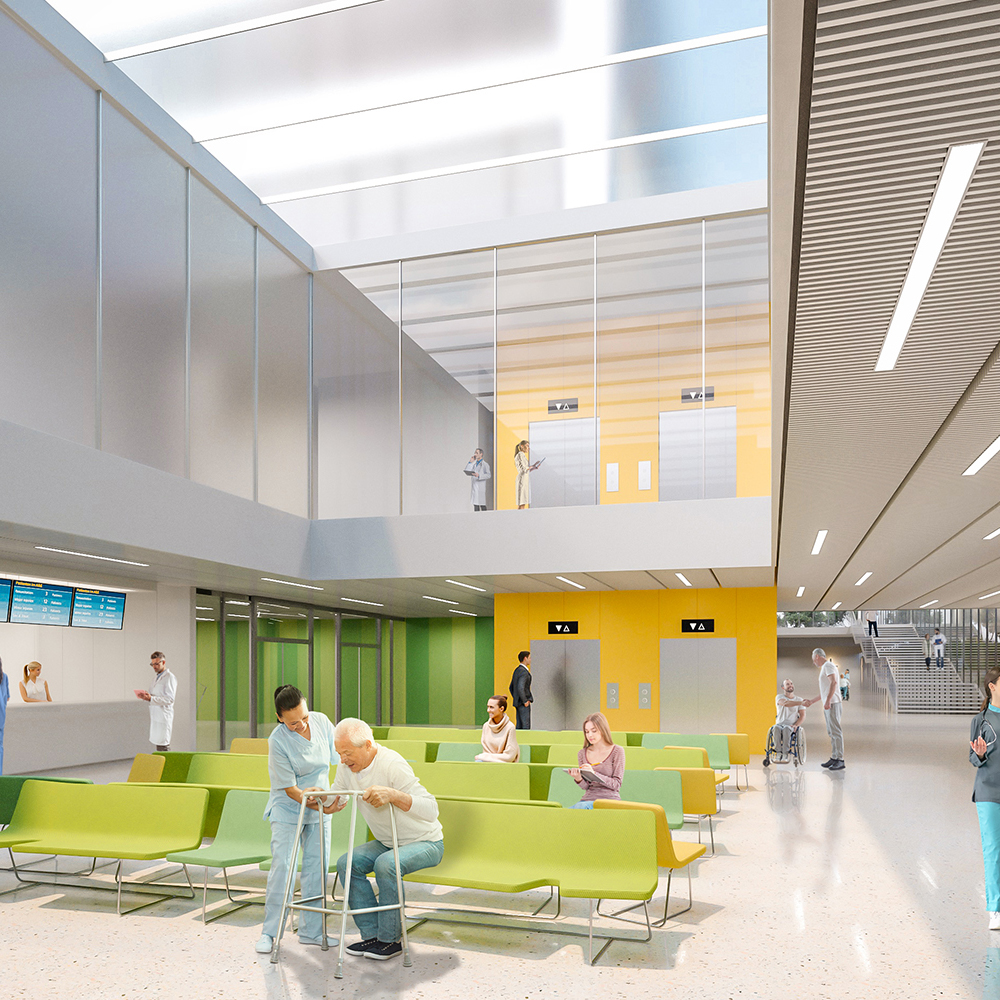
Plinths define the architectural concept. The entrance hall opens towards Rankgasse, offering views into the park beyond. The building takes up the urban heights of the adjacent structures, while a forecourt acts as a considered buffer to the neighboring development. On the park-facing side, the building height reduces to align with the proportions of the existing historic fabric. The masterplan is guided by a sustainable care concept and an improved, legible circulation network. The new pavilion-style ward buildings follow a loop circulation concept that enhances operational efficiency. To open the visual axis towards Rankgasse, the building mass along Montleartstraße is reduced. Entrances and logistics routes have been separated, allowing the central green zone to remain entirely free of traffic.
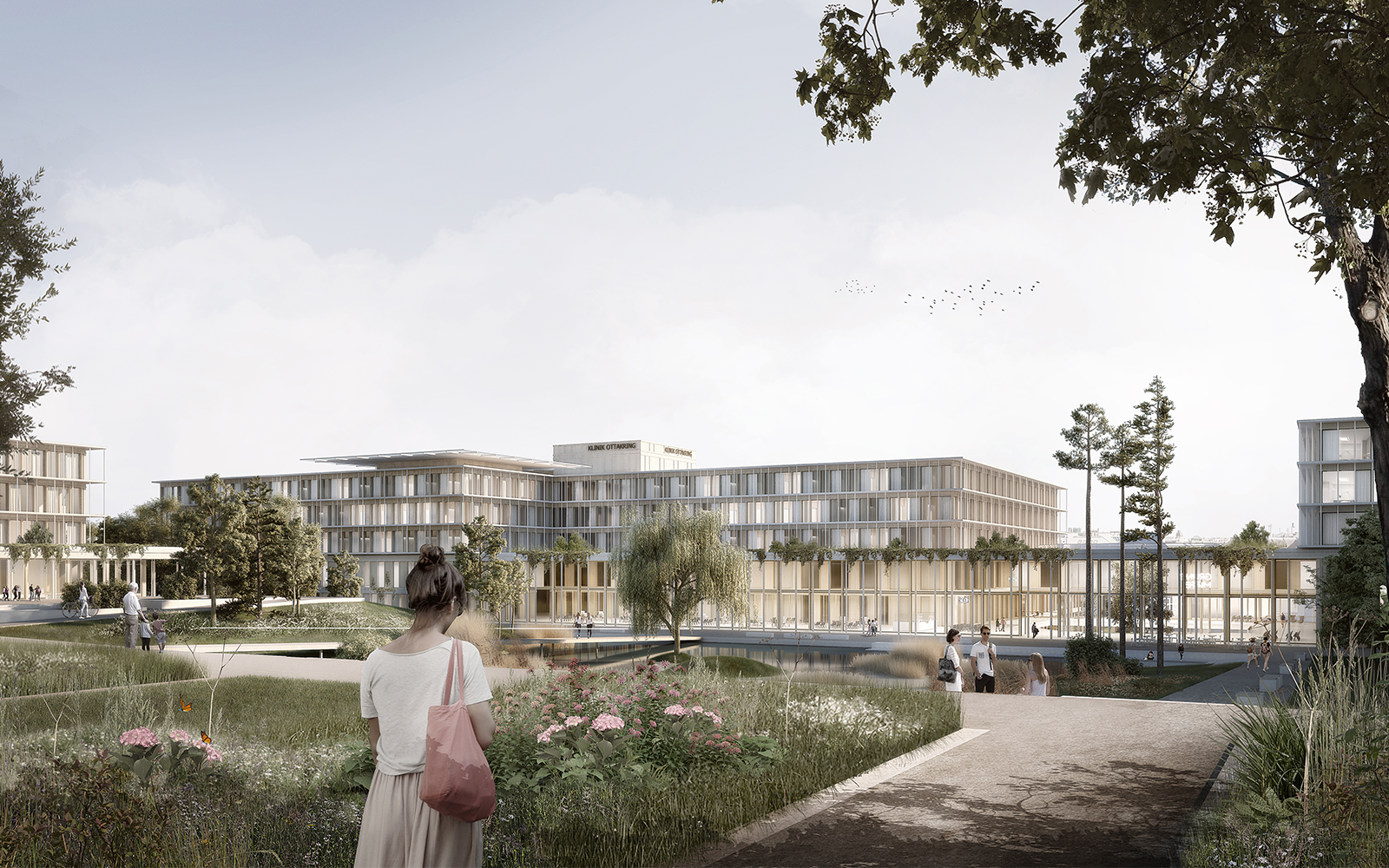
A publicly accessible park and clinical gardens provide spaces of genuine quality while supporting climate resilience. The "Green Heart" – featuring a natural pond, pavilion, and café – alongside the "Green Band" running the length of the park, offer meeting points and places of retreat for patients, staff, and visitors alike.
Landscaped biodiversity areas and a climate woodland in the northeast support the local microclimate and contribute to long-term climate resilience. Energy-efficient construction methods, photovoltaic systems, and geothermal energy reduce overall energy consumption, reflecting a commitment to forward-looking solutions across all areas of the project. Water recovery systems and extensive green roofs improve water efficiency; tree planting provides a cooling effect on the microclimate; and a timber-hybrid construction method alongside the use of recycled materials reinforce the project's dedication to sustainable building practice.
Plinths define the architectural concept. The entrance hall opens towards Rankgasse, offering views into the park beyond. The building takes up the urban heights of the adjacent structures, while a forecourt acts as a considered buffer to the neighboring development. On the park-facing side, the building height reduces to align with the proportions of the existing historic fabric. The masterplan is guided by a sustainable care concept and an improved, legible circulation network. The new pavilion-style ward buildings follow a loop circulation concept that enhances operational efficiency. To open the visual axis towards Rankgasse, the building mass along Montleartstraße is reduced. Entrances and logistics routes have been separated, allowing the central green zone to remain entirely free of traffic.
A publicly accessible park and clinical gardens provide spaces of genuine quality while supporting climate resilience. The "Green Heart" – featuring a natural pond, pavilion, and café – alongside the "Green Band" running the length of the park, offer meeting points and places of retreat for patients, staff, and visitors alike.
Landscaped biodiversity areas and a climate woodland in the northeast support the local microclimate and contribute to long-term climate resilience. Energy-efficient construction methods, photovoltaic systems, and geothermal energy reduce overall energy consumption, reflecting a commitment to forward-looking solutions across all areas of the project. Water recovery systems and extensive green roofs improve water efficiency; tree planting provides a cooling effect on the microclimate; and a timber-hybrid construction method alongside the use of recycled materials reinforce the project's dedication to sustainable building practice.
2nd prize
Campus Seestadt Aspern III
Recognition
Campus
Hausfeld Nord
Hausfeld Nord
3rd Prize
Ottakring
Clinic
Clinic
Recognition
Campus
Nordwestbahnhof
Nordwestbahnhof
2nd Prize
Hietzing Hospital
Recognition
Secondary School
Otto-Preminger-Straße
Otto-Preminger-Straße
Competition
Alps-Adriatic-Secondary School
Competition
Oberpullendorf Hospital
2nd Prize
Semmelweis grounds Building 1
Competition
Loi 130
Recognition
Campus
Deutschordenstraße
Deutschordenstraße
Competition
House of Statistics
Competition
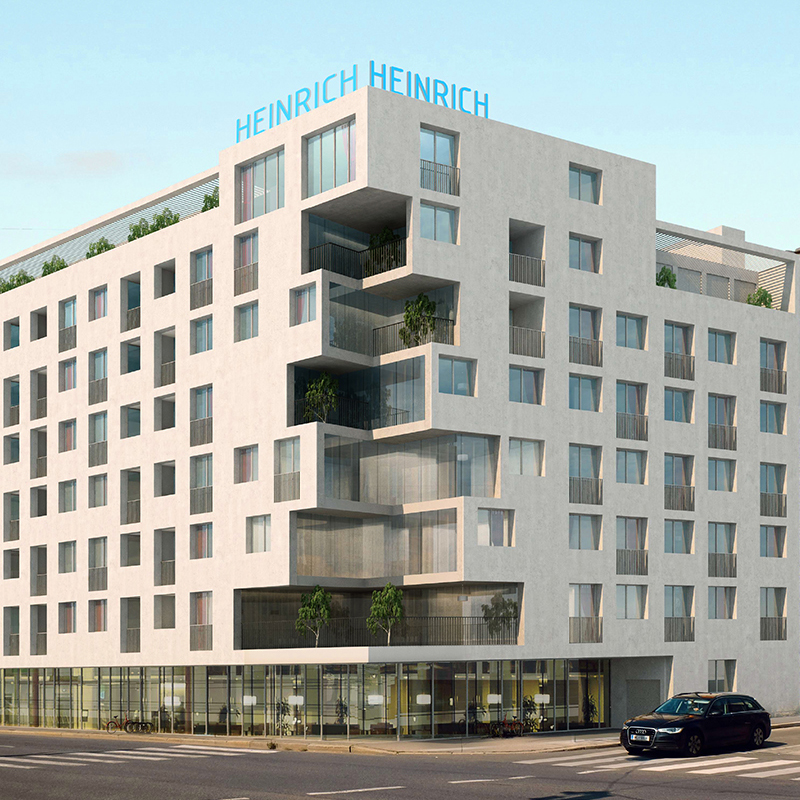
Heinrich – Serviced Apartments
3rd Prize
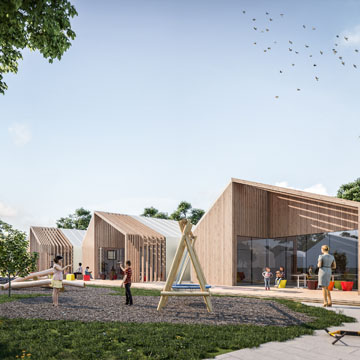
Lower Austria State Kindergarten Pulkau
3rd prize
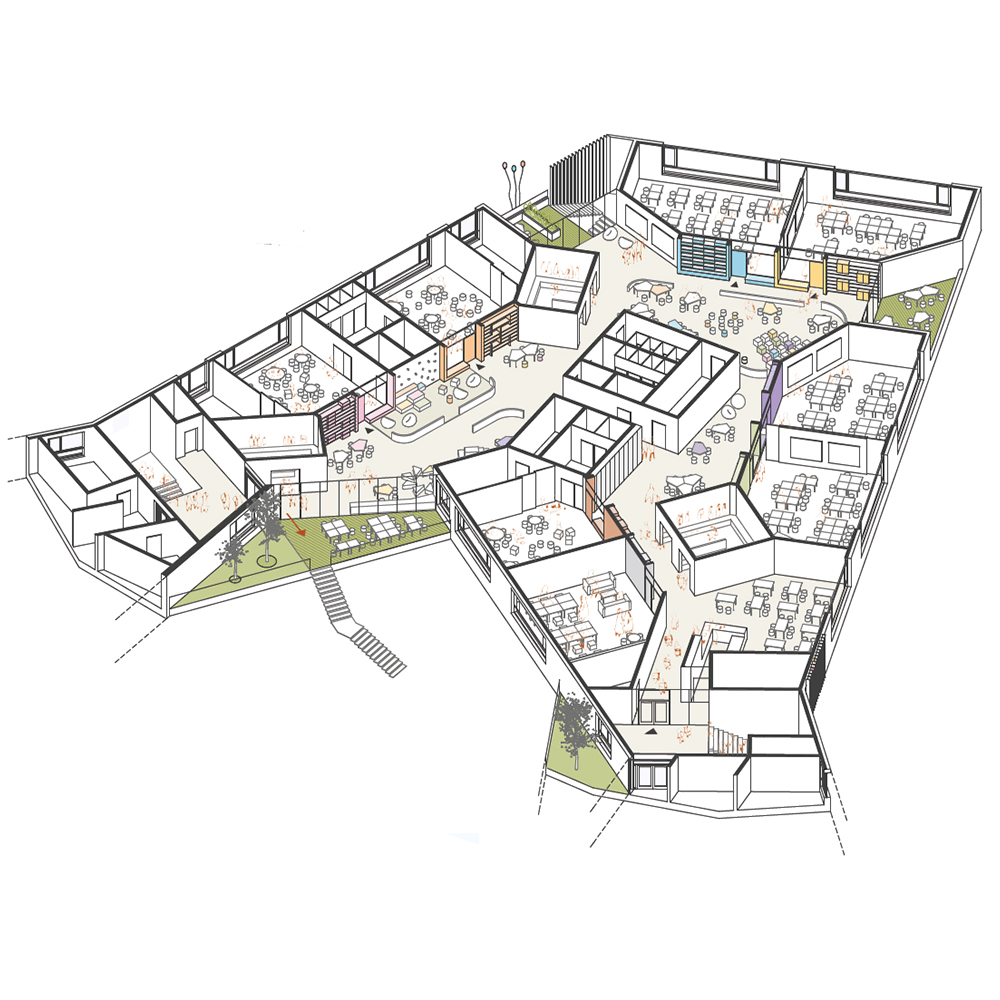
Aron Menczer Campus
2nd prize
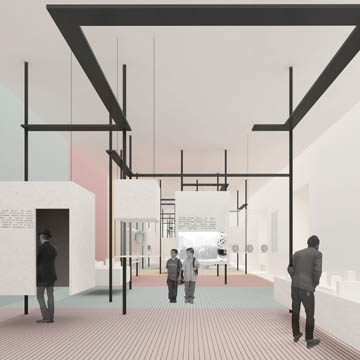
House of History Austria
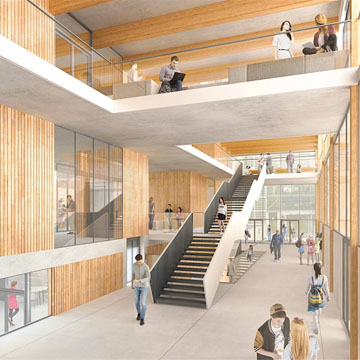
Recognition
New building for the University of Natural Resources and Applied Life Sciences, Vienna
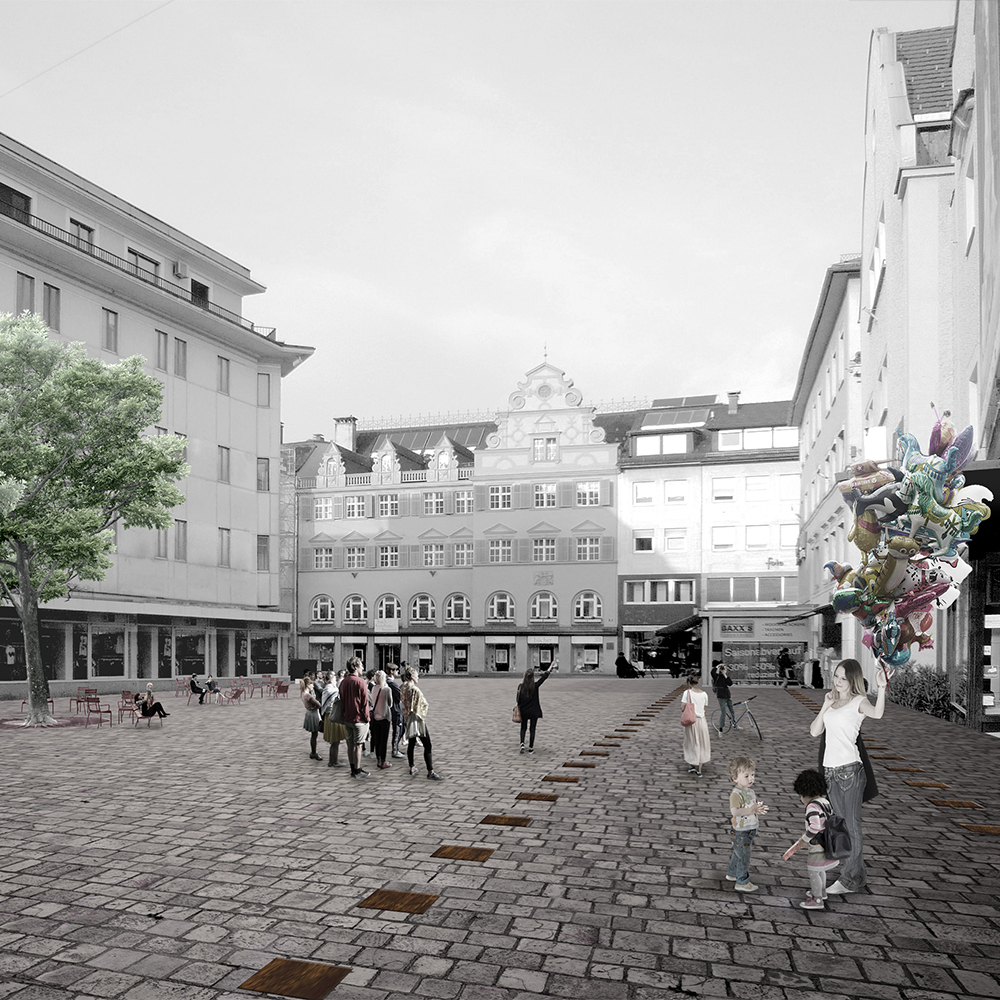
Competition
Neighbourhood development Leutbühel
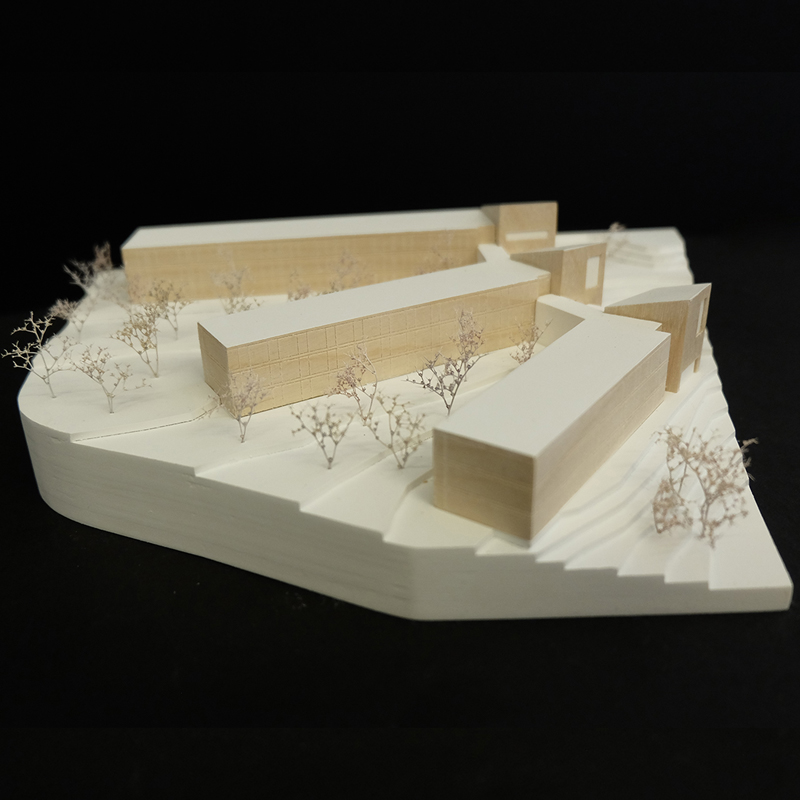
Competition
Students hostel Pitzelstätten
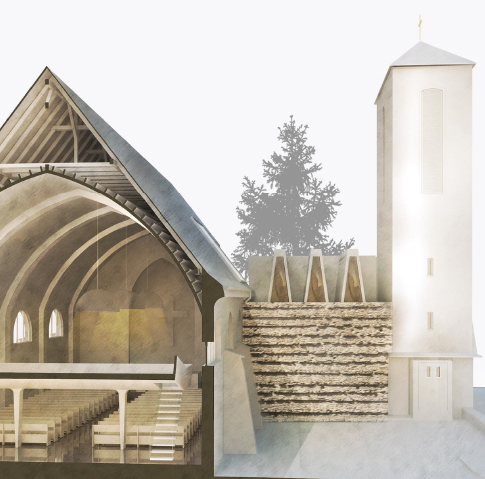
Competition
Parish church of Essling
Competition
Rathausstraße 1
Multifunctional Centre Elsterwerdaer Platz